
K-1 Visa Philippines
Complete Guide for U.S.–Philippines Couples
The K-1 fiancé visa allows a Filipino fiancé(e) of a U.S. citizen to enter the United States for the purpose of marriage. While the visa category is the same worldwide, the Philippines has specific procedures, timelines, and embassy expectations that couples must understand to avoid delays.
This page serves as a central guide to the K-1 visa process in the Philippines, with clear explanations and direct links to each critical step.
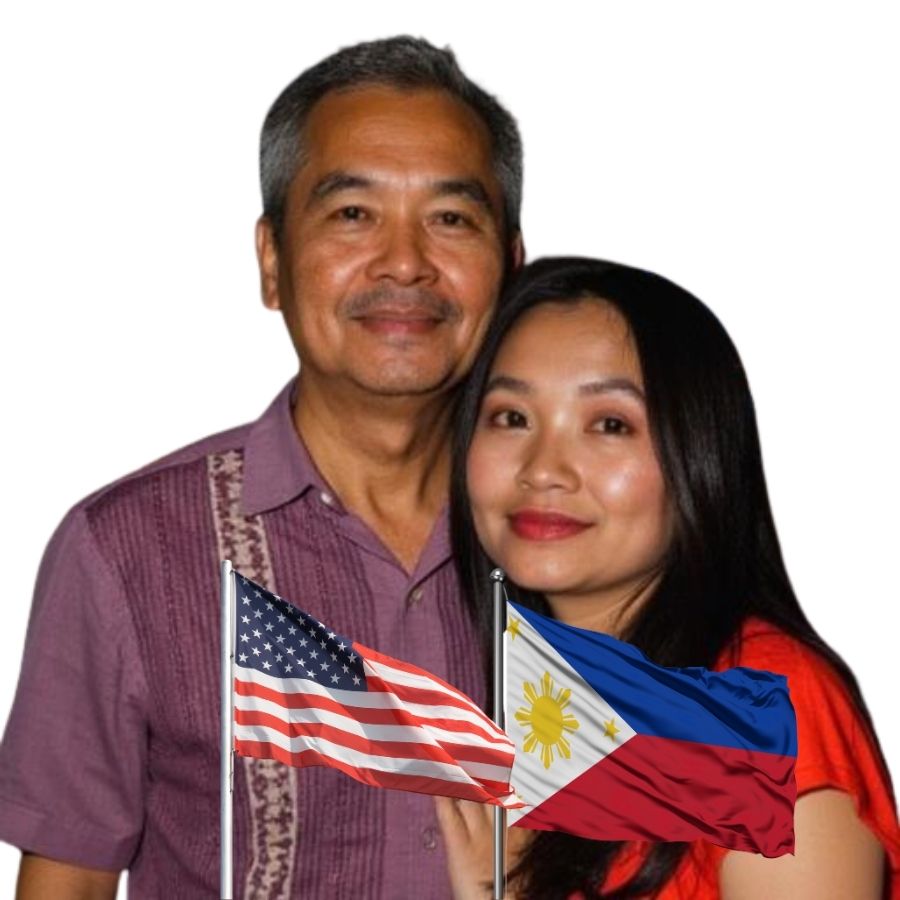
What Is the K-1 Fiancé Visa?
The K-1 visa is designed for engaged couples where:
- The petitioner is a U.S. citizen
- The beneficiary is a Filipino national
- The couple intends to marry in the United States within 90 days of entry
After marriage, the foreign fiancé(e) must apply for Adjustment of Status to become a permanent resident.
The K-1 visa is designed for engaged couples where:
- The petitioner is a U.S. citizen
- The beneficiary is a Filipino national
- The couple intends to marry in the United States within 90 days of entry
After marriage, the foreign fiancé(e) must apply for Adjustment of Status to become a permanent resident.
Why the Philippines Requires Special Attention
The Philippines is one of the highest-volume K-1 visa countries, and the U.S. Embassy in Manila follows strict interview and documentation standards.
Couples often face challenges related to:
- Relationship evidence expectations
- Interview consistency
- Documentation accuracy
- Realistic timeline planning
Generic advice often falls short.
Preparation matters.
K-1 Visa Process in the Philippines
The K-1 visa follows a multi-step government process involving U.S. and Philippine authorities.
You can review the step-by-step K-1 process here:
K-1 Visa Process (Philippines) 🖱
This includes:
- USCIS petition filing
- National Visa Center (NVC) processing
- Embassy interview in Manila
- Visa issuance and U.S. entry
K-1 Visa Requirements for Filipino Applicants
Meeting the basic eligibility requirements is only the starting point. Successful cases depend on proper documentation and relationship proof.
Learn more about:
K-1 Visa Requirements for the Philippines 🖱
Topics include:
- Eligibility criteria
- Relationship evidence
- Financial sponsorship considerations
K-1 Visa Interview at the U.S. Embassy in Manila
The interview is one of the most critical stages of the K-1 process. Officers focus heavily on relationship credibility and consistency.
Prepare properly by reviewing:
K-1 Visa Interview – Manila 🖱
This section explains:
- What officers typically ask
- Common red flags
- How to prepare honest, clear answers
K-1 Visa Timeline for the Philippines
Processing times vary, and unrealistic expectations cause unnecessary stress.
For a realistic overview, see:
K-1 Visa Timeline (Philippines) 🖱
This page covers:
- Average processing stages
- Factors that delay cases
- Planning expectations for couples
Is the K-1 Visa Right for You?
The K-1 visa can be a good choice for couples who:
- Want to marry in the United States
- Prefer earlier physical reunification
- Are prepared for post-arrival processing
It is not always the fastest or cheapest option.
Comparing it with a spouse visa is often wise.
Compare K-1 vs Spouse Visa 🖱
Need Help Navigating the K-1 Process?
Many couples successfully file on their own. Others prefer guidance to avoid costly mistakes.
If you want clarity before filing, you may request visa guidance.
Get Clear K-1 Visa Guidance 🖱

Unsure if you are meeting all of the K1 Visa Requirements?
Why not get a FREE online K-1 evaluation today?